Waldorf Daycare Guide 2026: Nature-Based Early Childhood
Complete guide to Waldorf early childhood programs in 2026. Understanding Steiner education, key principles, daily rhythms, and finding quality Waldorf programs.
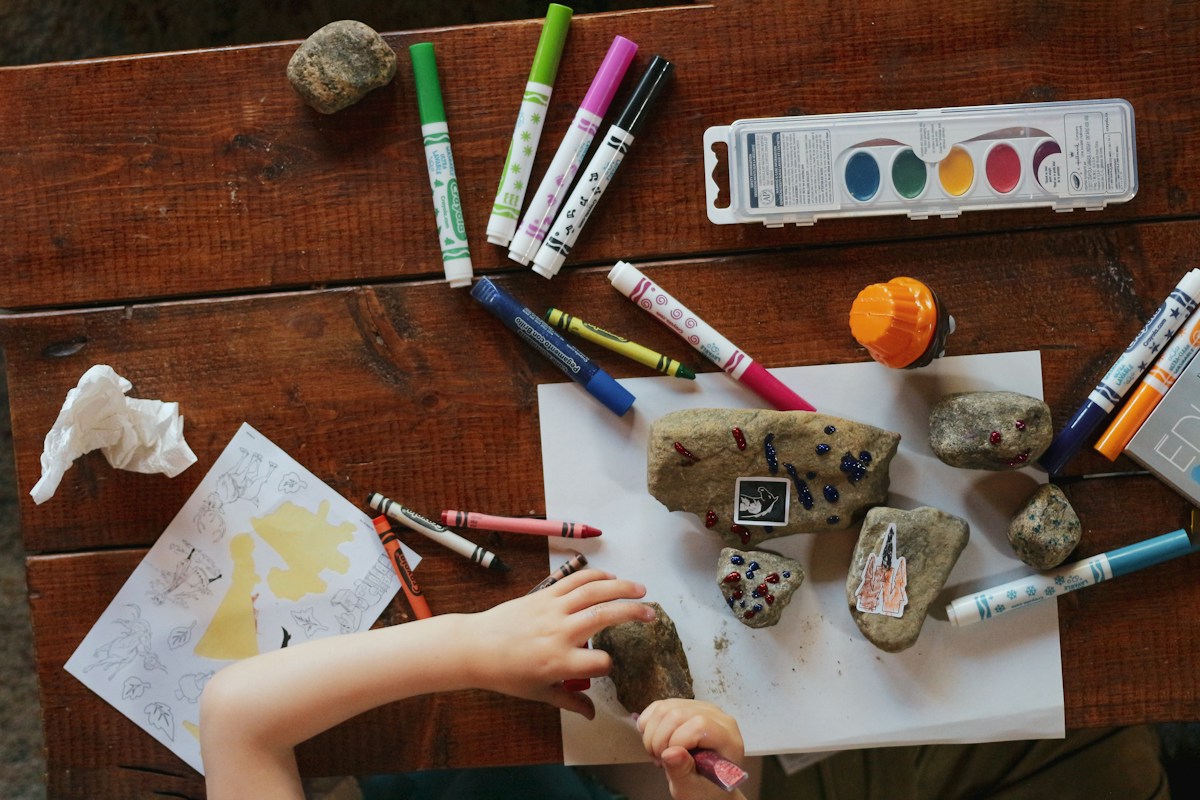
Waldorf education, based on Rudolf Steiner's philosophy, emphasizes imagination, creativity, and connection to nature. Waldorf early childhood programs offer a distinctive approach focused on unhurried development and whole-child nurturing.
Table of Contents
Essential Natural Supplies for Waldorf Daycare
As an Amazon Associate, we earn from qualifying purchases.
Support your child's Waldorf experience with these essentials:
- Muslin Swaddle Blankets - Natural, soft comfort items perfect for Waldorf programs
- Waterproof Daycare Labels - Label natural fiber clothing and supplies
- Daycare Diaper Bag Backpack - Organized bag for natural daily supplies
- Portable Diaper Caddy - Keep supplies organized for morning rhythms
What is Waldorf Education
Overview
| Aspect | Description | |--------|-------------| | Origin | Rudolf Steiner, Germany, 1919 | | Philosophy | Holistic development | | Early childhood | Play-based, nurturing | | Focus | Imagination, nature, rhythm | | Academics | Delayed formal instruction |
Core Beliefs
Waldorf holds that:
- Childhood should be protected
- Imagination is foundational
- Nature connects us
- Rhythm provides security
- Play is essential work
Key Principles
Developmental Stages
| Stage | Age | Focus | |-------|-----|-------| | Early childhood | Birth-7 | Imitation, play, will | | Middle childhood | 7-14 | Feeling, imagination | | Adolescence | 14-21 | Thinking, judgment |
Key Elements
Waldorf programs emphasize:
- Free imaginative play
- Natural materials
- Domestic activities
- Storytelling and puppetry
- Seasonal celebrations
- Movement and music
What's Absent
You won't typically find:
- Screens/technology
- Plastic toys
- Early academics
- Commercial images
- Competitive activities
The Waldorf Environment
Physical Space
| Element | Characteristic | |---------|----------------| | Colors | Soft, natural (pinks, earth tones) | | Materials | Wood, silk, wool, cotton | | Toys | Simple, open-ended, natural | | Light | Soft, natural | | Decor | Nature tables, seasonal |
Daily Rhythm
Typical day includes:
- Free play
- Domestic activities (baking, cleaning)
- Circle time (songs, movement)
- Story/puppet show
- Outdoor play
- Snack (often prepared together)
Finding Waldorf Programs
What to Look For
| Element | Quality Indicator | |---------|-------------------| | Environment | Soft, natural, home-like | | Materials | Natural toys, no plastic | | Activities | Play-based, domestic | | Teachers | Waldorf-trained | | Rhythm | Predictable, seasonal |
Questions to Ask
- What training do teachers have?
- What is your approach to academics?
- How do you handle birthdays/holidays?
- What is a typical day?
- What is your screen policy?
Is Waldorf Right for Your Family?
Good Fit If
You value:
- Unhurried childhood
- Imagination over academics
- Natural materials
- Rhythm and routine
- Connection to nature
Considerations
Think about:
- Delayed academics may concern some
- Specific philosophy may not align
- May seem unconventional
- Transitions to traditional school
Resources
Last updated: December 2025