Play-Based Learning in Daycare Guide 2026: Why Play Matters
Complete guide to play-based learning in daycare in 2026. How children learn through play, types of play, what quality programs offer, and understanding developmentally appropriate practice.
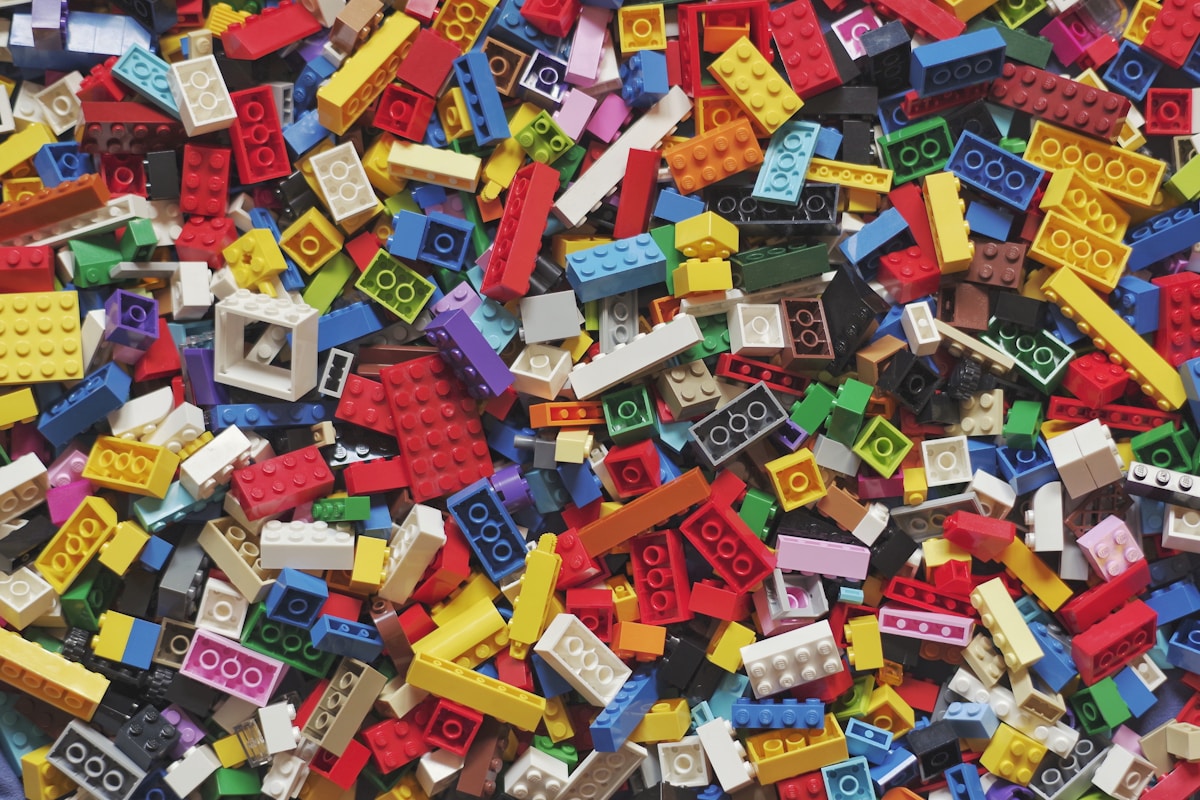
Play is not just a break from learning—it IS learning. Research consistently shows that play-based approaches lead to better academic and social outcomes than direct instruction for young children. Quality daycare programs understand this and create environments where meaningful learning happens through purposeful play.
Table of Contents
Essential Daycare Supplies for Play-Based Learning
As an Amazon Associate, we earn from qualifying purchases.
Support your child's play-based learning with these essentials:
- Waterproof Daycare Labels - Label art smocks, clothing, and supplies
- Daycare Diaper Bag Backpack - Organized bag with space for extra play clothes
- Muslin Swaddle Blankets - Comfort items for rest after active play
- Portable Diaper Caddy - Keep supplies organized for busy play days
Why Play-Based Learning Works
The research is clear.
Brain Development
Play builds: | Area | Development | |------|-------------| | Neural connections | Active exploration creates pathways | | Executive function | Self-regulation through play | | Language | Social interaction builds vocabulary | | Problem-solving | Natural experimentation |
Academic Outcomes
Research shows:
- Play-based programs equal or exceed academic outcomes
- Better long-term school engagement
- Stronger social-emotional skills
- Less anxiety about learning
Types of Play
Categories
Essential play types:
- Free play (child-directed)
- Guided play (teacher-supported)
- Constructive play (building)
- Dramatic play (pretend)
- Physical play (movement)
- Games with rules
Learning Through Each
What children learn: | Play Type | Skills Developed | |-----------|------------------| | Block play | Math, spatial reasoning | | Dramatic play | Language, social skills | | Art play | Creativity, fine motor | | Outdoor play | Gross motor, nature | | Sensory play | Scientific thinking |
What Quality Programs Offer
Environment
Look for:
- Extended play periods (45+ minutes)
- Rich learning centers
- Open-ended materials
- Teacher facilitation (not direction)
- Child choice
Balance
Quality includes:
- Mix of child-led and guided play
- Intentional learning goals within play
- Teacher observation and scaffolding
- Play-based curriculum framework
Red Flags to Avoid
Warning Signs
Question programs with:
- Worksheets for preschoolers
- Excessive screen time
- Long periods of sitting
- Teacher-directed everything
- No free play time
- Rigid academic schedules
Resources
Last updated: December 2025