Social-Emotional Learning at Daycare Guide 2026: Building Emotional Intelligence
Complete guide to social-emotional learning (SEL) at daycare in 2026. How daycares teach emotional skills, what to look for, and supporting SEL development at home.

Social-emotional learning (SEL) is one of the most important things happening at daycare. Long before academic skills, children learn to identify emotions, manage feelings, build relationships, and navigate social situations. How your daycare approaches SEL shapes your child's emotional intelligence for life.
This guide covers everything about social-emotional learning at daycare in 2026: what SEL looks like in practice, how to evaluate programs, and supporting emotional development at home.
Table of Contents
- What Is Social-Emotional Learning
- Why SEL Matters
- SEL at Different Ages
- How Quality Daycares Teach SEL
- Evaluating SEL Programs
- Supporting SEL at Home
- Common SEL Challenges
Essential Comfort Supplies for SEL Development
As an Amazon Associate, we earn from qualifying purchases.
Support your child's emotional development with these essentials:
- Muslin Swaddle Blankets - Comfort items that provide security during emotional moments
- Waterproof Daycare Labels - Label comfort objects so they stay with your child
- Daycare Diaper Bag Backpack - Organized bag for comfort items and daily essentials
- Portable Diaper Caddy - Keep familiar comfort supplies organized
What Is Social-Emotional Learning
Understanding the foundations.

The Five SEL Competencies
Core areas (CASEL framework):
| Competency | What It Means | |------------|---------------| | Self-awareness | Recognizing emotions, strengths, values | | Self-management | Regulating emotions, controlling impulses | | Social awareness | Understanding others, empathy | | Relationship skills | Communication, cooperation, conflict resolution | | Responsible decision-making | Making good choices |
What SEL Looks Like for Young Children
Developmentally appropriate:
- Naming feelings
- Calming down when upset
- Taking turns
- Using words instead of hitting
- Showing empathy
- Making friends
- Following rules
- Handling frustration
SEL vs Academic Learning
Both matter, but:
- SEL is foundation for all learning
- Emotional regulation enables focus
- Social skills enable collaboration
- Self-awareness builds confidence
- Research shows SEL predicts success
Why SEL Matters
The impact of emotional intelligence.

Research on SEL
Studies show children with strong SEL:
- Perform better academically
- Have better mental health
- Build stronger relationships
- Have fewer behavior problems
- Are more successful as adults
Long-Term Benefits
SEL skills predict:
- High school graduation
- College enrollment
- Stable employment
- Positive relationships
- Mental wellness
- Reduced substance abuse
Why Early Childhood Matters
The early years are critical:
- Brain is most plastic
- Emotional patterns form
- Social skills develop
- Foundation is laid
- Intervention is most effective
SEL and School Readiness
True kindergarten readiness includes:
- Emotional regulation
- Following directions
- Getting along with others
- Managing frustration
- Expressing needs
- Not just ABCs and 123s
SEL at Different Ages
Developmentally appropriate expectations.

Infants (0-12 months)
Focus areas:
- Attachment and trust
- Emotional co-regulation with caregivers
- Beginning to read facial expressions
- Comfort-seeking behaviors
What to look for:
- Responsive caregiving
- Attunement to infant cues
- Calm, consistent environment
- Physical comfort and closeness
Toddlers (1-3 years)
Focus areas:
- Naming basic emotions (happy, sad, mad)
- Beginning self-regulation (with help)
- Parallel play
- Simple turn-taking
- Managing transitions
What to look for:
- Teachers naming emotions
- Help with calming down
- Teaching "use your words"
- Patience with tantrums
- Structured transitions
Preschoolers (3-5 years)
Focus areas:
- Expanded emotion vocabulary
- Self-regulation strategies
- Cooperative play
- Conflict resolution
- Empathy development
- Friendship skills
What to look for:
- Emotion coaching
- Problem-solving support
- Friendship facilitation
- Conflict mediation
- SEL curriculum
How Quality Daycares Teach SEL
What effective programs do.
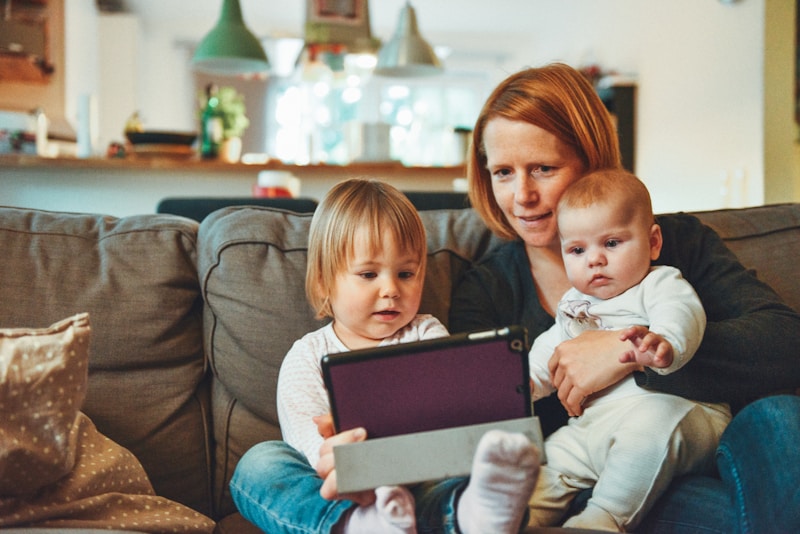
Relationship-Based Care
Foundation of SEL:
- Warm, responsive teachers
- Consistent caregivers
- Secure attachment
- Trust building
- Feeling valued
Emotion Coaching
Teachers who:
- Label emotions ("You seem frustrated")
- Validate feelings ("It's hard to wait")
- Teach coping strategies ("Let's take breaths")
- Model emotional expression
- Create safe emotional space
Explicit Teaching
Structured SEL activities:
- Books about emotions
- Feeling faces activities
- Puppet shows about social situations
- Role-playing scenarios
- Calm-down corner
- Breathing exercises
Environmental Support
Space designed for SEL:
- Calm-down corner/peace area
- Emotion posters
- Comfort items available
- Predictable routines
- Clear expectations
- Natural consequences
Conflict Resolution
Teaching children to:
- Use words to express needs
- Listen to each other
- Find solutions together
- Accept compromise
- Seek adult help appropriately
SEL Curricula
Common programs: | Curriculum | Focus | |------------|-------| | Second Step | Comprehensive SEL | | Conscious Discipline | Brain-based approach | | PATHS | Problem-solving focus | | Pyramid Model | Tiered intervention | | Incredible Years | Teacher training |
Evaluating SEL Programs
What to look for.

Questions to Ask
About approach:
- "How do you support social-emotional development?"
- "Do you use a specific SEL curriculum?"
- "How do you help children manage big emotions?"
- "How do you handle conflicts between children?"
- "What's your approach to discipline?"
About practice: 6. "Can you give me an example of how you'd handle a tantrum?" 7. "How do you help shy children make friends?" 8. "What do you do when children are aggressive?" 9. "How do you teach emotional vocabulary?"
What to Observe
During your visit:
- How do teachers respond to upset children?
- Do they use emotion words?
- How are conflicts handled?
- Is there a calm-down space?
- Do children seem emotionally secure?
- How are transitions managed?
Green Flags
Positive indicators:
- Teachers at children's level
- Emotion words used frequently
- Calm, warm responses to distress
- Children comforted when upset
- Conflicts mediated thoughtfully
- Calm-down tools available
- Positive guidance used
Red Flags
Concerning signs:
- Children's emotions dismissed
- Punitive response to feelings
- Timeouts as primary discipline
- Children shamed for emotions
- Conflicts ignored or harshly handled
- Overwhelming environment
- Staff seem stressed/overwhelmed
Supporting SEL at Home
Extending learning beyond daycare.

Emotion Coaching at Home
Practice:
- Name your child's emotions
- Validate feelings
- Help them calm down
- Problem-solve together
- Model emotional expression
Scripts:
- "You look really angry. It's hard when..."
- "I can see you're sad. That makes sense because..."
- "Let's take some deep breaths together"
- "What could we try?"
Building Emotional Vocabulary
Activities:
- Read books about feelings
- Name emotions in yourself
- Talk about characters' feelings
- Use emotion charts
- Play feelings games
Teaching Regulation Strategies
Age-appropriate strategies:
- Deep breathing
- Counting to 10
- Taking a break
- Getting a hug
- Using a calm-down kit
- Movement breaks
Modeling Matters
Show your child:
- How you handle frustration
- Naming your own emotions
- Healthy coping strategies
- Apologizing and repairing
- Managing stress
Reinforcing Daycare Learning
Coordinate with daycare:
- Ask what SEL strategies they use
- Use same language at home
- Continue activities
- Reinforce skills taught
- Share what works at home
Common SEL Challenges
Normal struggles and when to worry.
Normal Developmental Challenges
Expected at certain ages:
- Toddler tantrums
- Not sharing (toddlers)
- Difficulty with transitions
- Separation anxiety
- Testing limits
- Big emotions
When to Be Concerned
Consider support if:
- Aggression is frequent and severe
- No improvement over time
- Extreme anxiety or withdrawal
- Unable to participate in group
- Consistent peer rejection
- Regression in skills
- Daycare expressing ongoing concerns
Getting Help
Resources:
- Talk to daycare
- Consult pediatrician
- Early intervention services
- Child psychologist
- Play therapy
- Occupational therapy (for regulation)
Working with Daycare
Partner on challenges:
- Share observations
- Ask about strategies
- Implement consistently
- Communicate regularly
- Seek help together if needed
SEL Evaluation Checklist
What Daycare Should Have
- [ ] Warm, responsive teachers
- [ ] Emotion coaching observed
- [ ] Calm-down space available
- [ ] Positive discipline approach
- [ ] SEL activities/curriculum
- [ ] Conflict resolution support
- [ ] Predictable routines
Questions Answered
- [ ] SEL approach explained
- [ ] Discipline philosophy shared
- [ ] Emotion handling described
- [ ] Conflict resolution explained
- [ ] Examples provided
Home Support
- [ ] Using emotion vocabulary
- [ ] Modeling regulation
- [ ] Teaching coping strategies
- [ ] Reinforcing daycare learning
- [ ] Coordinating with teachers
Resources
- Find Quality Daycare Near You
- Daycare Discipline Policies Guide
- Daycare Separation Anxiety Guide
- Toddler Daycare Guide
Last updated: December 2025