Daycare Nutrition Guide 2026: What Your Child Should Be Eating
Complete guide to daycare meals and nutrition in 2026. Learn what to expect, how to handle allergies, pack healthy lunches, and evaluate food quality.

What your child eats at daycare matters. They spend 8-10 hours there, consuming most of their daily nutrition in that environment.
This guide covers everything about daycare food: what quality programs serve, how to handle allergies and restrictions, packing healthy lunches, and ensuring your child eats well while in care.
Table of Contents
- How Daycare Meals Work
- Nutrition Standards and Requirements
- What Quality Programs Serve
- Handling Food Allergies
- Packing Healthy Lunches
- Evaluating Daycare Nutrition
- Common Feeding Challenges
- Nutrition by Age Group
Essential Daycare Feeding Supplies
As an Amazon Associate, we earn from qualifying purchases.
Make mealtime easier with these daycare nutrition essentials:
- Waterproof Daycare Labels - Label lunch containers, bottles, and sippy cups clearly
- Dr. Brown's Anti-Colic Bottles - Trusted bottles for infant feeding at daycare
- Daycare Diaper Bag Backpack - Insulated compartments for packed lunches and bottles
- Portable Diaper Caddy - Keep feeding supplies organized at home
How Daycare Meals Work
Understanding the basics of daycare food service.

Meals Provided vs. Pack From Home
| Model | How It Works | Common At | |-------|-------------|-----------| | Center provides all | Breakfast, lunch, snacks included | Large centers, CACFP programs | | Parents pack lunch | Center provides snacks only | Some preschools, smaller centers | | Parents pack everything | All food from home | Some programs, allergy situations | | Hybrid | Center provides some, parents supplement | Various |
CACFP: The Federal Food Program
What it is: Child and Adult Care Food Program—federal program that reimburses daycares for serving nutritious meals.
What it means for you:
- Centers participating follow nutrition guidelines
- Meals are balanced and monitored
- Free or reduced meals for eligible families
- Quality oversight
How to know: Ask "Do you participate in CACFP?" during your tour.
Typical Meal Schedule
| Time | Meal | What's Served | |------|------|---------------| | 8:00-8:30 | Breakfast | Grain, fruit, milk | | 10:00 | Morning snack | Fruit or vegetable + water | | 12:00 | Lunch | Protein, grain, vegetable, fruit, milk | | 3:00 | Afternoon snack | Grain + dairy or fruit |
Nutrition Standards and Requirements
What daycares should be following.
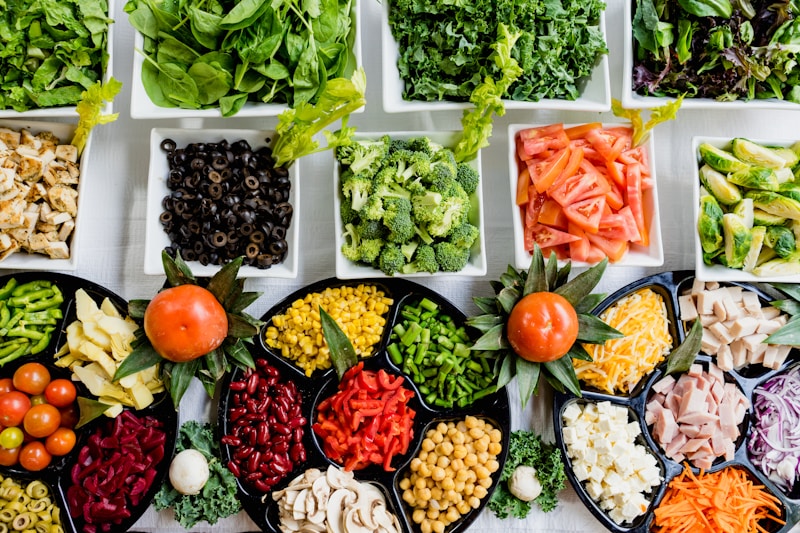
CACFP Meal Requirements
For lunch, children must receive:
- Meat/meat alternate (protein)
- Grain/bread
- Two different vegetables or fruits
- Milk
For breakfast:
- Grain
- Fruit or vegetable
- Milk
For snacks (pick 2):
- Milk
- Meat/meat alternate
- Grain
- Fruit or vegetable
State Licensing Requirements
Most states require:
- Safe food handling practices
- Proper food storage temperatures
- Staff food handler training
- Sanitary serving conditions
- Posted menus
USDA Dietary Guidelines
Quality programs follow USDA recommendations:
- Limit added sugars
- Limit sodium
- Whole grains when possible
- Variety of fruits and vegetables
- Appropriate portion sizes
What Quality Programs Serve
Examples of healthy daycare menus.
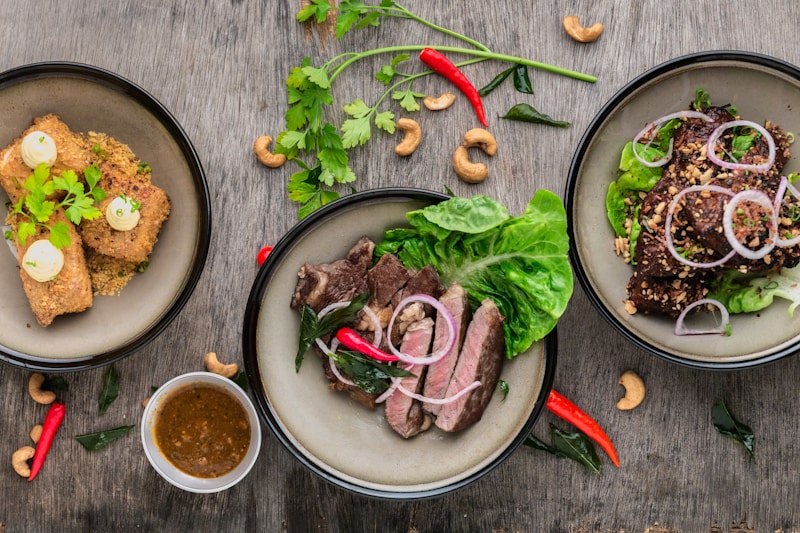
Sample Weekly Menu
Monday:
- Breakfast: Whole grain cereal, banana slices, milk
- Lunch: Baked chicken, brown rice, steamed broccoli, orange slices, milk
- Snack: Apple slices with cheese
Tuesday:
- Breakfast: Whole wheat toast, scrambled eggs, melon, milk
- Lunch: Turkey and cheese sandwich, carrot sticks, grapes, milk
- Snack: Yogurt with berries
Wednesday:
- Breakfast: Oatmeal with cinnamon, apple slices, milk
- Lunch: Bean and cheese quesadilla, corn, cucumber, pear, milk
- Snack: Whole grain crackers with hummus
Thursday:
- Breakfast: Whole grain pancakes, strawberries, milk
- Lunch: Fish sticks, peas, whole wheat roll, peaches, milk
- Snack: Cottage cheese with pineapple
Friday:
- Breakfast: Bagel with cream cheese, mixed fruit, milk
- Lunch: Pasta with meat sauce, green beans, bread, apple, milk
- Snack: Trail mix (for appropriate ages)
What to Look For
Positive signs:
- Variety of foods across the week
- Fresh fruits and vegetables
- Whole grains regularly
- Limited fried foods
- Limited processed foods
- Age-appropriate textures
Red flags:
- Same foods repeatedly
- Heavy reliance on processed foods
- Fried foods frequently
- Sugary drinks (juice counts)
- No fresh produce
Handling Food Allergies
Allergies require careful management in group care.
Common Childhood Allergies
Top 9 allergens:
- Milk
- Eggs
- Peanuts
- Tree nuts
- Wheat
- Soy
- Fish
- Shellfish
- Sesame
What to Provide the Daycare
Required documentation:
- [ ] Allergy Action Plan (from doctor)
- [ ] Emergency medication (EpiPen if prescribed)
- [ ] Written list of allergens
- [ ] Safe food alternatives
- [ ] Emergency contact information
Questions to Ask About Allergy Management
- "How do you prevent cross-contamination?"
- "Where are allergens stored?"
- "How are staff trained on allergies?"
- "Who can administer emergency medication?"
- "How do you handle birthday treats and parties?"
- "Are there allergen-free tables?"
- "How are other parents notified about restrictions?"
Daycare Allergy Policies to Expect
Quality programs should have:
- Written allergy management policy
- Staff training on recognition and response
- Emergency medication accessible
- Separate food preparation
- Communication with all families
- Substitute foods available
Packing Healthy Lunches
When you need to send food from home.

Balanced Lunch Formula
Include:
- Protein (chicken, turkey, beans, cheese, eggs)
- Grain (bread, crackers, rice, pasta)
- Fruit (fresh, frozen, or unsweetened canned)
- Vegetable (fresh, cooked, or raw)
- Dairy or alternative (milk, yogurt, cheese)
Easy Lunch Ideas
Sandwiches:
- Turkey and cheese on whole wheat
- Sunbutter and banana (if nut-free required)
- Hummus and veggie wrap
- Cheese quesadilla
No-sandwich options:
- Pasta salad with chicken and vegetables
- Rice bowl with beans and cheese
- Cheese, crackers, and fruit plate
- Yogurt parfait with granola and berries
Protein options:
- Diced chicken or turkey
- Hard-boiled egg
- Cheese cubes or sticks
- Hummus
- Bean dip
- Edamame
Food Safety for Packed Lunches
Temperature:
- Cold foods below 40°F
- Use ice packs in insulated bag
- Hot foods in thermos above 140°F
Safety tips:
- Wash hands before packing
- Use clean containers
- Pack close to drop-off if possible
- Avoid foods that spoil easily without cold
What NOT to Pack
Usually prohibited:
- Candy and sweets
- Soda or sugary drinks
- Allergens (if facility is allergen-free)
- Choking hazards for age (whole grapes, popcorn, hot dogs)
- Foods that need microwaving (most daycares can't heat)
Evaluating Daycare Nutrition
How to assess a program's food quality.

Questions to Ask
About menus:
- "Can I see a sample monthly menu?"
- "How often do menus rotate?"
- "Do you participate in CACFP?"
- "What accommodations do you make for dietary restrictions?"
About practices: 5. "Do children eat family-style or are they served?" 6. "How do you handle picky eating?" 7. "Are children required to finish food?" 8. "What happens if a child doesn't eat?"
About quality: 9. "Do you serve fresh fruits and vegetables?" 10. "How often are fried foods served?" 11. "What do you serve to drink?" (Should be milk and water only) 12. "Do you serve whole grains?"
Positive Feeding Practices
Look for:
- Family-style meals (children serve themselves)
- No forcing food
- Teachers eating with children
- Pleasant mealtime atmosphere
- Exposure to variety without pressure
- Respect for hunger cues
Red flags:
- Forcing children to finish plates
- Using food as reward or punishment
- Rushing mealtimes
- Chaotic eating environment
- Bribing with dessert
- Shaming about eating
Common Feeding Challenges
How quality programs handle eating issues.

Picky Eating
What good programs do:
- Offer variety without pressure
- Expose children to new foods repeatedly
- Let children serve themselves
- Avoid making separate meals
- Model eating variety
What you can do:
- Share strategies that work at home
- Pack familiar foods if packing lunch
- Avoid labels ("he's a picky eater")
- Trust the process
Refusing to Eat
Possible causes:
- New environment (normal during adjustment)
- Different foods than home
- Too distracted by peers
- Not hungry at scheduled times
- Seeking control
Solutions:
- Allow adjustment period (2-4 weeks)
- Pack familiar foods initially
- Communicate with teachers
- Avoid pressure
Food Jags (Only Wanting One Food)
Normal for toddlers and preschoolers.
What programs should do:
- Continue offering variety
- Not make it a power struggle
- Include the preferred food sometimes
- Not create short-order cooking
Eating Too Fast or Too Slow
Solutions:
- Adequate time for meals (20-30 minutes)
- Pleasant environment
- Teachers modeling pace
- No rushing to activities
Nutrition by Age Group
What's appropriate at each stage.
Infants (0-12 months)

Feeding:
- Breast milk or formula (you provide)
- Introduction of solids around 6 months
- Fed on demand, not strict schedule
- Held during bottle feeding (not propped)
What to ask:
- "How do you handle breastmilk storage?"
- "Who decides when baby eats?" (Should be baby's cues)
- "How do you introduce solids?"
Toddlers (1-3 years)
Expectations:
- Self-feeding developing
- Transition from bottle to cup
- Finger foods and soft table foods
- Learning utensil use
- Small portions, frequent eating
What to ask:
- "How do you support self-feeding?"
- "What textures do you serve?"
- "How do you handle food throwing?"
Preschoolers (3-5 years)
Expectations:
- Using utensils independently
- Serving self with assistance
- Trying new foods with encouragement
- Table manners developing
- Sitting for reasonable meal duration
What to ask:
- "Do children serve themselves?"
- "How do you encourage trying new foods?"
- "What table manners do you teach?"
Special Diets and Restrictions
Accommodating different dietary needs.
Vegetarian/Vegan
What to discuss:
- Alternative protein sources
- Whether center can accommodate
- What substitutions are available
- Whether you'll need to send food
Religious Dietary Laws
Common needs:
- Kosher
- Halal
- No pork
- Fasting periods
What to do:
- Discuss specifically what's required
- Provide approved foods if needed
- Ensure staff understand requirements
Medical Diets
Examples:
- Diabetes management
- Celiac disease (gluten-free)
- Phenylketonuria (PKU)
- Kidney disease restrictions
Requirements:
- Doctor's documentation
- Specific meal plans
- Staff training
- Close communication
Your Nutrition Checklist
When Evaluating Programs
- [ ] Request sample menu
- [ ] Ask about CACFP participation
- [ ] Observe a mealtime if possible
- [ ] Ask about allergy protocols
- [ ] Understand feeding philosophy
- [ ] Check food safety practices
After Enrollment
- [ ] Complete allergy/restriction paperwork
- [ ] Communicate dietary needs clearly
- [ ] Review menus regularly
- [ ] Provide feedback if concerns
- [ ] Pack appropriate foods if required
- [ ] Model healthy eating at home
Resources
Last updated: December 2025