The Ultimate Daycare Checklist for 2026: Everything Parents Need to Know
Complete 50+ point daycare checklist for parents in 2026. Includes what to look for, questions to ask, red flags to avoid, and a printable evaluation form.

Finding the right daycare is one of the most important decisions you'll make as a parent. With so much to consider—from safety to curriculum to cost—it's easy to feel overwhelmed.
This comprehensive checklist breaks down everything you need to evaluate, whether you're touring your first daycare or comparing your final options.
Table of Contents
- Before You Start: Preparation Checklist
- Safety and Security Checklist
- Staff and Caregiver Checklist
- Environment and Facilities Checklist
- Curriculum and Activities Checklist
- Health and Hygiene Checklist
- Policies and Procedures Checklist
- Communication Checklist
- Cost and Logistics Checklist
- Red Flags to Watch For
- Green Flags That Signal Quality
- Printable Evaluation Form
Essential Daycare Supplies Checklist
As an Amazon Associate, we earn from qualifying purchases.
Once you've chosen a daycare, stock up on these essentials:
- Waterproof Daycare Labels - Label all bottles, sippy cups, pacifiers, and clothing so nothing gets lost
- Daycare Diaper Bag Backpack - Large capacity bag with compartments for organized daily packing
- Dr. Brown's Anti-Colic Bottles - Trusted bottles for infant daycare
- Muslin Swaddle Blankets - Versatile comfort items for naps and transitions
- Portable Diaper Caddy - Keep supplies organized for smooth morning routines
Before You Start: Preparation Checklist
Before scheduling any tours, get organized:

Research Phase
- [ ] Determine your budget — Know what you can realistically afford monthly
- [ ] Check for subsidies — Apply for childcare assistance if eligible
- [ ] Decide on care type — Center-based, home daycare, or nanny
- [ ] Set your radius — How far are you willing to travel?
- [ ] List your priorities — What matters most? (Cost, location, curriculum, hours)
- [ ] Check employer benefits — Does your company offer childcare stipends?
Documents to Gather
- [ ] Proof of income (for subsidy applications)
- [ ] Child's immunization records
- [ ] Emergency contact information
- [ ] Work schedule details
- [ ] Insurance information
Questions to Ask Yourself
- What hours do I need coverage?
- Do I need full-time or part-time care?
- How important is a specific curriculum (Montessori, Reggio Emilia)?
- Do I prefer a religious or secular environment?
- How will I handle backup care when daycare is closed?
Safety and Security Checklist
Safety is non-negotiable. Every daycare you consider should pass these checks:

Licensing and Regulations
- [ ] Current state license displayed — Should be visible and up-to-date
- [ ] Proper staff-to-child ratios — Ask what they are and verify against state requirements
- [ ] Background checks on all staff — Including volunteers and substitutes
- [ ] Recent inspection report available — Ask to see it or look it up online
- [ ] No serious violations — Check for patterns of problems
Physical Safety
- [ ] Secure entry system — Locked doors, check-in procedures, security cameras
- [ ] Outlet covers and baby gates — Appropriate for age groups present
- [ ] No choking hazards accessible — Small objects, loose parts
- [ ] Furniture secured to walls — Bookcases, changing tables
- [ ] Age-appropriate toys only — Nothing broken or recalled
- [ ] Safe sleep practices — Cribs meet current standards, nothing in cribs
- [ ] Outdoor area fenced — Secure perimeter, no gaps
Emergency Preparedness
- [ ] Fire extinguishers visible — Current inspection tags
- [ ] Posted evacuation routes — In each room
- [ ] Regular fire/emergency drills — Ask how often they practice
- [ ] First aid kit accessible — Stocked and current
- [ ] CPR/First aid trained staff — All lead caregivers certified
- [ ] Emergency contact procedures — How will they reach you?
- [ ] Lockdown procedures — For security emergencies
Transportation (If Applicable)
- [ ] Licensed drivers — Clean driving records
- [ ] Vehicle maintenance records — Current inspections
- [ ] Proper car seats — Age-appropriate, correctly installed
- [ ] Adult supervision ratio — Staff-to-child during transport
Staff and Caregiver Checklist
The people caring for your child matter most. Evaluate carefully:

Qualifications
- [ ] Lead teachers have credentials — CDA, associate's, or bachelor's in early childhood
- [ ] Ongoing training required — Ask how many hours annually
- [ ] Infant/toddler specialist — For younger children's rooms
- [ ] Special needs experience — If your child has specific needs
Interactions (Observe During Your Tour)
- [ ] Warm and engaged with children — At eye level, smiling, attentive
- [ ] Positive language used — Encouraging, not shaming or yelling
- [ ] Children seem happy and comfortable — Not anxious or withdrawn
- [ ] Staff not on personal phones — Focused on children
- [ ] Genuine affection shown — Hugs, comfort when needed
- [ ] Individual attention given — Not just group supervision
Staffing Practices
- [ ] Low turnover rate — Ask directly: "How long have teachers been here?"
- [ ] Consistent caregivers — Same person each day, not rotating staff
- [ ] Substitute teacher policy — Who covers when regular staff are out?
- [ ] Director on-site daily — Available for questions and oversight
- [ ] Staff-to-child ratios maintained — Throughout the day, including naptime
Staff Observations to Note
| What to Watch For | Good Sign | Concerning Sign | |-------------------|-----------|-----------------| | Teacher demeanor | Calm, patient, engaged | Rushed, distracted, frustrated | | Children's reactions | Seeking comfort, happy | Avoiding, fearful, withdrawn | | Communication style | Warm, explanatory | Commands, dismissive | | Supervision | Active, attentive | Passive, phone use | | Conflict resolution | Teaching, patient | Punitive, shaming |
Environment and Facilities Checklist
The physical space affects your child's development and happiness:

Cleanliness and Maintenance
- [ ] Floors clean and clutter-free — No tripping hazards
- [ ] Toys cleaned regularly — Ask about sanitization schedule
- [ ] No strong odors — Neither dirty smells nor heavy chemical cleaners
- [ ] Diaper area separate from eating/play — Proper sanitation setup
- [ ] Bathrooms child-friendly — Step stools, low sinks, clean
- [ ] Well-maintained building — No peeling paint, broken fixtures
Age-Appropriate Setup
- [ ] Furniture sized for children — Tables, chairs, cubbies
- [ ] Cozy areas for rest — Soft spaces, quiet corners
- [ ] Active play space — Room to move, climb, explore
- [ ] Art and sensory areas — Accessible and inviting
- [ ] Learning centers organized — Books, blocks, dramatic play
- [ ] Natural lighting — Windows, not just fluorescent
Outdoor Space
- [ ] Safe, enclosed playground — Age-appropriate equipment
- [ ] Shade available — Trees, canopies, covered areas
- [ ] Soft ground surfaces — Under climbing equipment
- [ ] Variety of activities — Not just swings and slides
- [ ] Nature elements — Gardens, sand, water play
- [ ] Regular outdoor time daily — Ask how much
Sleep/Nap Areas (For Infants and Toddlers)
- [ ] Individual cribs or cots — Not shared
- [ ] Meets safe sleep guidelines — Nothing in cribs for infants
- [ ] Quiet, dim environment — Conducive to rest
- [ ] Supervision during naps — Staff checking regularly
- [ ] Flexible for non-nappers — Quiet activities available
Curriculum and Activities Checklist
Quality early childhood education sets the foundation for lifelong learning:

Learning Approach
- [ ] Clear curriculum or philosophy — Can they explain it?
- [ ] Age-appropriate activities — Not pushing academics on toddlers
- [ ] Play-based learning — Children learn through exploration
- [ ] Balance of structure and free play — Not over-scheduled
- [ ] Individualized attention — Adapts to each child's needs
- [ ] Development tracking — Regular assessments shared with parents
Daily Activities Include
- [ ] Circle time/group activities — Social skills, routines
- [ ] Reading and literacy — Books read aloud daily
- [ ] Art and creativity — Open-ended, not just crafts
- [ ] Music and movement — Songs, dancing, instruments
- [ ] Outdoor play — Every day, weather permitting
- [ ] Sensory exploration — Sand, water, textures
- [ ] Dramatic play — Pretend kitchen, dress-up, etc.
- [ ] Quiet time — Books, puzzles, rest
Developmental Focus
- [ ] Social-emotional learning — Feelings, cooperation, conflict resolution
- [ ] Language development — Conversation, vocabulary building
- [ ] Motor skills — Both fine (cutting, writing) and gross (running, climbing)
- [ ] Cognitive development — Problem-solving, cause and effect
- [ ] Self-help skills — Dressing, washing hands, toileting
Screen Time Policy
- [ ] Limited or no screens — Especially for children under 2
- [ ] Educational only — If any screens used
- [ ] Not used as babysitter — Active engagement with content
Health and Hygiene Checklist
A healthy environment keeps your child (and you) well:

Illness Policies
- [ ] Clear sick child policy — When children must stay home
- [ ] Fever guidelines — What temperature requires pickup
- [ ] Contagious illness rules — Exclusion periods for common illnesses
- [ ] How you'll be notified — If child gets sick during day
- [ ] Where sick children wait — Separate from healthy children
Medication Administration
- [ ] Written authorization required — Parent permission for any medication
- [ ] Proper storage — Refrigeration, locked cabinet
- [ ] Trained staff — For allergy medications (EpiPen, etc.)
- [ ] Documentation — Medication log maintained
Hygiene Practices
- [ ] Frequent handwashing — Before eating, after bathroom, after outdoor play
- [ ] Diaper changing protocol — Gloves, sanitization, handwashing
- [ ] Cleaning schedule — Toys, surfaces, bathrooms
- [ ] Food handling safety — Proper storage and serving
- [ ] No shoes in infant rooms — If applicable
Nutrition
- [ ] Meals and snacks provided? — What's the cost?
- [ ] Menu available — Balanced, healthy options
- [ ] Allergies accommodated — Clearly communicated system
- [ ] Breastmilk/formula handling — Proper storage and labeling
- [ ] Mealtime supervision — Choking hazards monitored
- [ ] No food-based rewards/punishments — Healthy relationship with food
Policies and Procedures Checklist
Understanding the rules upfront prevents surprises:

Enrollment and Contracts
- [ ] Clear tuition structure — Monthly cost, payment schedule
- [ ] Registration/enrollment fees — One-time or annual
- [ ] Deposit requirements — How much, when due
- [ ] Contract terms — Length, cancellation policy
- [ ] Rate increase policy — How much notice, how often
Schedule and Attendance
- [ ] Operating hours — Match your needs
- [ ] Holidays closed — Which ones? How many total?
- [ ] Vacation weeks included? — How many without charge
- [ ] Late pickup policy — Fees, cutoff time
- [ ] Absence notification — How to report
- [ ] Part-time options — Available? How structured?
Discipline Policy
- [ ] Written discipline policy — Ask to see it
- [ ] No corporal punishment — Ever
- [ ] Age-appropriate approaches — Redirection, natural consequences
- [ ] How behavioral issues are communicated — To parents
- [ ] Expulsion policy — Under what circumstances
Parent Involvement
- [ ] Open-door policy — Can you visit anytime?
- [ ] Parent-teacher conferences — How often?
- [ ] Volunteer opportunities — If you want to participate
- [ ] Parent events — Celebrations, meetings
- [ ] Daily reports provided — What format? How detailed?
Communication Checklist
Good communication builds trust and keeps you informed:

Daily Updates
- [ ] What communication method? — App, written report, verbal
- [ ] Frequency of updates — Throughout day or just pickup
- [ ] Information included:
- Meals eaten
- Nap times and duration
- Diaper changes
- Activities participated in
- Mood/behavior notes
- Photos or videos
Technology Tools
- [ ] Parent app used? — Which one (Brightwheel, HiMama, etc.)
- [ ] Real-time updates available — Or only end-of-day
- [ ] Photo sharing — Privacy settings, who can access
- [ ] Two-way messaging — Can you message teachers?
- [ ] Payment through app — If applicable
Teacher Accessibility
- [ ] Can you speak with your child's teacher? — When and how
- [ ] Concerns addressed promptly — Response time expectations
- [ ] Director availability — For bigger issues
Emergency Communication
- [ ] How are emergencies communicated? — Phone, text, app
- [ ] Who contacts you? — Director, teacher, office
- [ ] Closure notifications — Weather, emergencies
Cost and Logistics Checklist
Make sure it works practically and financially:
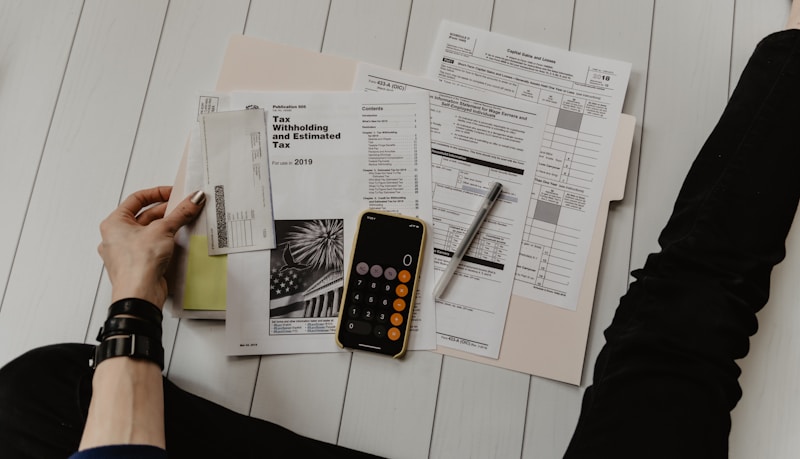
Cost Breakdown
- [ ] Monthly tuition — For your child's age group
- [ ] Registration fee — One-time enrollment cost
- [ ] Supply fees — Diapers, wipes, art supplies
- [ ] Meal costs — If not included
- [ ] Late fees — Amount, grace period
- [ ] Sibling discount — If applicable
- [ ] Vacation credit — For weeks you don't attend
- [ ] Annual rate increases — Expected percentage
Payment Details
- [ ] Payment due date — Weekly, bi-weekly, monthly
- [ ] Payment methods accepted — Auto-pay available?
- [ ] Late payment policy — Fees, grace period
- [ ] Tax receipts provided — For dependent care credit
Logistics
- [ ] Location works — Commute time acceptable
- [ ] Parking available — For drop-off and pickup
- [ ] Drop-off process — Efficient? Comfortable?
- [ ] Hours match your schedule — Including commute buffer
- [ ] Backup plan — For closures, sick days
What to Bring
- [ ] Items required — Bottles, diapers, extra clothes
- [ ] Items provided — What's included in tuition
- [ ] Labeling requirements — How to label belongings
- [ ] Seasonal items — Sunscreen, winter gear
Red Flags to Watch For
If you notice any of these during a tour, proceed with caution:
Immediate Deal-Breakers
- Unlicensed operation — Operating without required license
- Unclean or unsafe conditions — Obvious hazards, filth
- Staff yelling at children — Or using harsh language
- Children unsupervised — Left alone, not watched
- Resistance to visits — Not allowing you to drop by
- Won't provide references — From current families
- No emergency plan — Can't explain procedures
- Significantly under market rate — May indicate corners cut
Concerning Signs
- High staff turnover — New faces every visit
- Stressed or unhappy staff — Impacts care quality
- Children seem fearful — Not just shy, actually scared
- Overcrowded rooms — More children than ratio allows
- Outdated or broken equipment — Poor maintenance
- Vague answers to questions — Evasive, inconsistent
- Pressure to decide quickly — Legitimate waitlists don't require same-day deposits
- Negative reviews patterns — Consistent complaints about same issues
Green Flags That Signal Quality
These positive indicators suggest a high-quality program:
Strong Signs
- Low teacher turnover — Staff have been there years
- Happy, engaged children — Comfortable, curious, playing
- Warm teacher interactions — Genuine affection visible
- Clean, organized spaces — Well-maintained, inviting
- Eager to answer questions — Transparent, confident
- Strong parent reviews — Consistent positive feedback
- Accreditation — NAEYC or similar
- Quality rating — High marks on state quality system
Bonus Indicators
- Teachers know children by name — Personal relationships
- Personalized communication — Not just form letters
- Parent involvement welcomed — Open-door culture
- Continuing education investment — Staff professional development
- Community engagement — Field trips, visitors, community connections
Printable Evaluation Form
Use this form to compare daycares side-by-side:
Daycare Name: ________________
Date Visited: ________________
Rate each area 1-5 (5 = Excellent):
| Category | Score (1-5) | Notes | |----------|-------------|-------| | Safety/Security | | | | Cleanliness | | | | Staff Quality | | | | Staff Interactions | | | | Environment | | | | Curriculum | | | | Communication | | | | Location/Convenience | | | | Cost/Value | | | | Gut Feeling | | | | TOTAL | /50 | |
Immediate Concerns:
Top 3 Things I Liked: 1. 2. 3.
Questions Still Unanswered:
Would I send my child here?
- [ ] Yes - Ready to enroll
- [ ] Maybe - Need to compare other options
- [ ] No - Does not meet my standards
Final Decision Framework
After completing tours, ask yourself:
- Is my child safe here? — Trust your instincts on safety
- Do the caregivers seem caring? — Warmth matters most
- Will my child be happy here? — Environment and energy
- Does it work practically? — Location, hours, cost
- Can I afford it sustainably? — Without financial stress
Remember: No daycare is perfect. Focus on what matters most to your family, and trust that a "good enough" choice made thoughtfully is better than endless searching for perfection.
Ready to Start Your Search?
Use our daycare directory to find licensed providers near you. Filter by location, read reviews, and schedule tours at facilities that meet your criteria.
For help with costs, check out our guide to free and subsidized daycare programs.
Download this checklist: Printable PDF version (coming soon)
Last updated: December 2025