Learning Through Play Guide 2026: Why Play Matters
Complete guide to play-based learning at daycare in 2026. The science behind play, what quality play looks like, and why it's the best way young children learn.
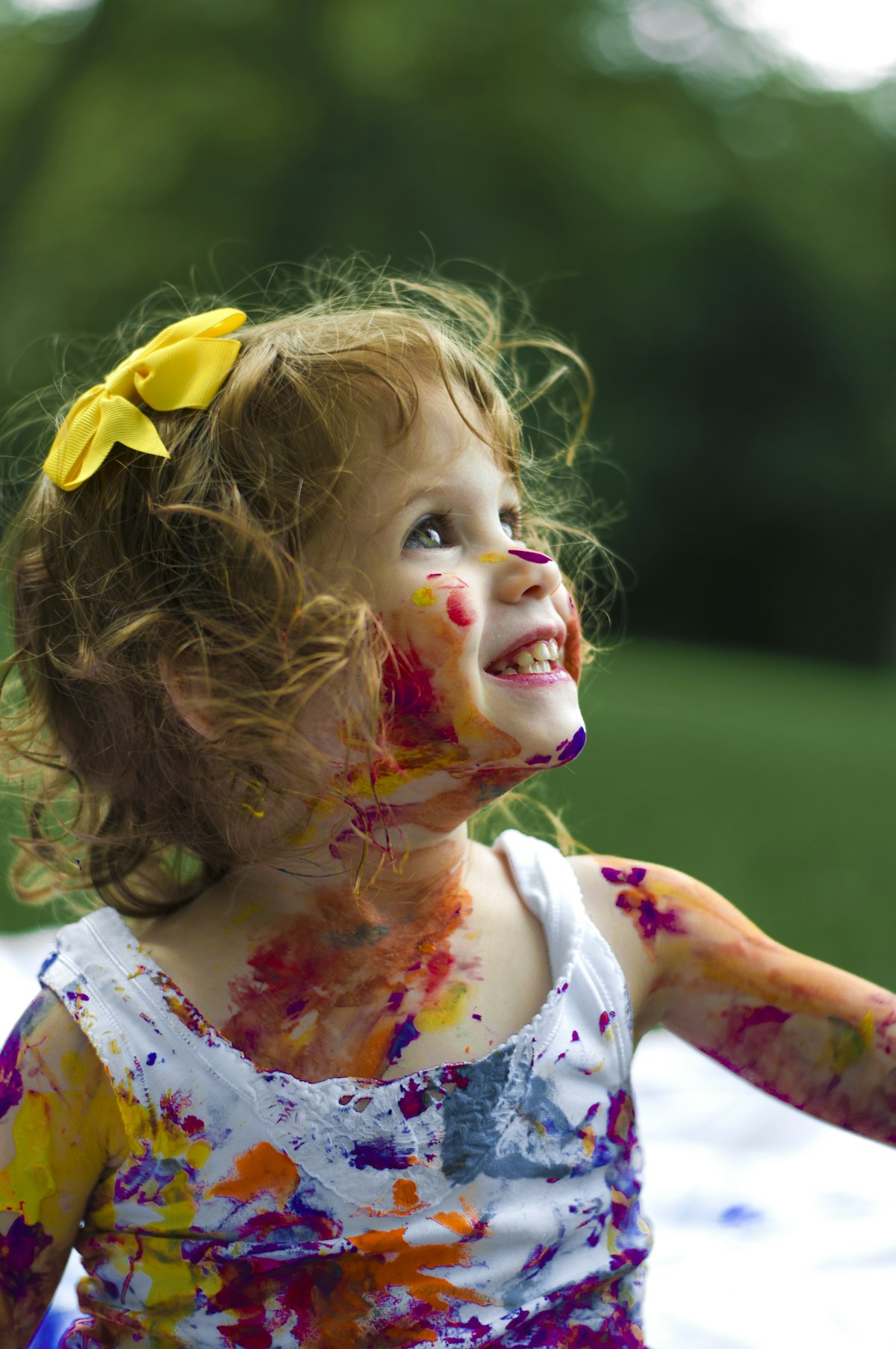
Play is how young children learn best. Quality daycare programs understand that play is children's work, building cognitive, social, emotional, and physical skills through hands-on exploration.
Table of Contents
The Science of Play
Why Play Works
| Brain Benefit | How Play Develops It | |---------------|----------------------| | Neural connections | Active exploration | | Executive function | Planning, problem-solving | | Language | Social interaction | | Creativity | Open-ended exploration | | Memory | Engaged learning |
Research Findings
| Finding | What It Means | |---------|---------------| | Play builds skills faster | More effective than drilling | | Play reduces stress | Optimal learning state | | Play is intrinsically motivating | Children naturally engage | | Play develops whole child | All areas together |
Types of Play
Play Categories
| Type | What It Looks Like | |------|-------------------| | Free play | Child-chosen, unstructured | | Guided play | Adult-supported, child-led | | Constructive play | Building, creating | | Pretend play | Imagination, roles | | Physical play | Movement, gross motor | | Games | Rules, turn-taking |
Developmental Progression
| Age | Play Style | |-----|------------| | Infant | Exploratory, sensory | | Toddler | Parallel play | | Preschool | Cooperative play | | Pre-K | Complex collaborative |
What Quality Programs Do
Balance of Play Types
| Element | Quality Approach | |---------|------------------| | Free play | Daily, extended periods | | Guided play | Teacher supports, doesn't direct | | Outdoor play | Daily, all weather | | Choice | Children select activities | | Time | Uninterrupted play periods |
Environment for Play
| Element | Purpose | |---------|---------| | Open-ended materials | Creativity | | Learning centers | Different play types | | Accessible materials | Independence | | Time | Long enough to develop play | | Space | Room to move |
Recognizing Quality Play
What to See
| Indicator | Quality Sign | |-----------|--------------| | Children engaged | Focused, invested | | Variety of play | Different types | | Child-led | Following interests | | Rich materials | Open-ended options | | Adult support | Not direction |
Red Flags
| Concern | Why Problematic | |---------|-----------------| | Worksheets only | Not developmentally appropriate | | All adult-directed | No child agency | | Short play periods | Can't develop complex play | | Limited materials | Restricts exploration | | Drill and practice | Not effective for young children |
Questions to Ask
About Play Philosophy
- What is your approach to play?
- How much free play time daily?
- How do teachers support play?
- What materials are available?
- How do you balance play and academics?
Learning Through Play Examples
What Children Learn
| Play Activity | Skills Developed | |---------------|------------------| | Block building | Math, spatial, physics | | Dramatic play | Language, social, emotional | | Art | Fine motor, creativity, expression | | Outdoor play | Gross motor, science, social | | Puzzles | Problem-solving, persistence |
Resources
Last updated: December 2025