Daycare STEM & Math Activities Guide 2026: Early Learning Foundations
Complete guide to STEM and math at daycare in 2026. Age-appropriate activities, what quality programs do, supporting early math skills, and evaluating STEM programming.

STEM education—science, technology, engineering, and math—begins long before formal schooling. Quality daycare programs build early STEM foundations through play, exploration, and hands-on experiences. Understanding what developmentally appropriate STEM looks like helps you evaluate programs and support your child's learning.
This guide covers everything about STEM and math at daycare in 2026: what early STEM includes, quality program indicators, age-appropriate expectations, and supporting STEM learning at home.
Table of Contents
- What Is Early STEM
- Early Math Skills
- Science in Daycare
- Engineering and Building
- Technology Considerations
- Quality STEM Programs
- Questions to Ask
What Is Early STEM
Building foundations naturally.

STEM for Young Children
Not worksheets—exploration:
- Hands-on experiences
- Play-based learning
- Natural curiosity
- Real-world connections
- Process over product
- Integrated learning
The Components
STEM stands for: | Letter | Focus | In Daycare | |--------|-------|-----------| | S - Science | Observing, questioning | Nature exploration, experiments | | T - Technology | Tools, problem-solving | Simple machines, tools | | E - Engineering | Building, designing | Blocks, construction | | M - Math | Numbers, patterns | Counting, sorting, shapes |
Why It Matters
Early STEM builds:
- Critical thinking
- Problem-solving skills
- Curiosity and wonder
- Mathematical foundations
- Scientific thinking
- Creativity
Natural Learning
STEM happens through:
- Block play
- Water and sand
- Outdoor exploration
- Cooking activities
- Dramatic play
- Everyday routines
Early Math Skills
The building blocks.
Number Sense
Includes:
- Counting (rote and meaningful)
- Understanding quantities
- Recognizing numerals
- Comparing amounts
- One-to-one correspondence
- Subitizing (knowing quantities without counting)
Patterns and Relationships
Children learn:
- Recognizing patterns
- Creating patterns
- Predicting what comes next
- Sorting and classifying
- Comparing (bigger, smaller)
- Sequencing
Shapes and Spatial Awareness
Understanding:
- Shape recognition
- Shape properties
- Position words (under, over)
- Spatial relationships
- Building and constructing
- Maps and directions
Measurement Concepts
Early experiences with:
- Comparing sizes
- Using non-standard units
- Understanding time concepts
- Weight and balance
- Volume and capacity
- Temperature concepts
Math by Age
Typical progression: | Age | Skills | |-----|--------| | Infants | Object permanence, cause/effect | | Toddlers | Counting 1-10, basic shapes, sorting | | 3-year-olds | Counting to 20, patterns, comparisons | | 4-5 years | Number recognition, simple operations |
Science in Daycare
Fostering curiosity.

Scientific Thinking
Children develop:
- Observation skills
- Questioning
- Predicting
- Experimenting
- Drawing conclusions
- Wonder and curiosity
Life Science
Exploration of:
- Plants and growing
- Animals and insects
- Human body
- Living vs. non-living
- Life cycles
- Habitats
Physical Science
Experiences with:
- Magnets
- Light and shadows
- Sound
- Motion and force
- Sinking and floating
- Simple machines
Earth Science
Understanding:
- Weather observation
- Seasons
- Rocks and soil
- Water cycle (basic)
- Day and night
- Nature exploration
Science Practices
Quality programs:
- Ask open-ended questions
- Encourage predictions
- Document observations
- Allow experimentation
- Accept "wrong" answers
- Celebrate discovery
Engineering and Building
Design and construction.

Engineering Thinking
Children develop:
- Problem identification
- Design thinking
- Planning and building
- Testing and revising
- Persistence
- Creative solutions
Block Play
The foundation:
- Unit blocks
- Large blocks
- Cardboard boxes
- Magnetic tiles
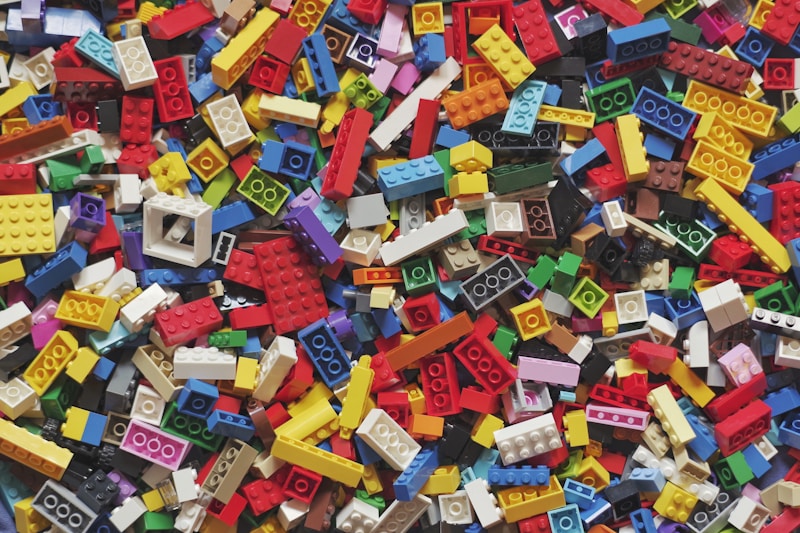
- LEGO/Duplo
- Natural materials
Construction Activities
Quality programs offer:
- Open-ended building materials
- Adequate time for construction
- Space for large structures
- Photographing creations
- Building challenges
- Real-world connections
Engineering Challenges
Age-appropriate:
- Build a tower
- Create a bridge
- Make a ramp
- Design a structure
- Solve a problem
- Build something specific
The Engineering Process
Even young children:
- Identify a problem
- Think of ideas
- Plan and build
- Test it out
- Improve or rebuild
Technology Considerations
Tools, not just screens.

Technology Beyond Screens
Includes:
- Simple machines
- Tools (scissors, rulers)
- Cameras
- Magnifying glasses
- Scales and balances
- Pulleys and levers
Screen Technology
If used, should be:
- Very limited (if at all)
- Interactive, not passive
- Educational quality
- Co-viewing with adults
- Age-appropriate
- Not replacing active play
Hands-On Tools
Quality programs use:
- Real tools (supervised)
- Scientific instruments
- Measuring tools
- Building tools
- Documentation tools
- Simple machines
NAEYC Position
On technology:
- Intentional use only
- Active engagement
- Supplements, not replaces
- Age-appropriate content
- With adult interaction
- Limited screen time
Quality STEM Programs
What to look for.

Environment
STEM-rich spaces have:
- Math materials accessible
- Science exploration center
- Building/construction area
- Nature materials
- Books about STEM topics
- Documentation of learning
Materials
Look for: | Category | Examples | |----------|----------| | Math | Counters, scales, measuring tools | | Science | Magnifying glasses, nature items | | Building | Blocks, construction sets | | Exploration | Sensory materials, loose parts |
Teacher Practices
Quality teachers:
- Ask "what if" questions
- Encourage exploration
- Document discoveries
- Use math language naturally
- Support problem-solving
- Connect to real world
Integrated Learning
STEM woven throughout:
- Cooking as math and science
- Outdoor play as exploration
- Art as engineering
- Stories with STEM connections
- Everyday routines as learning
What NOT to See
Red flags:
- Worksheets for math
- No science materials
- Limited block/building time
- Rote counting only
- No exploration encouraged
- Screen-based "STEM"
Supporting STEM at Home
Extending learning.
Math at Home
Daily opportunities:
- Counting everything
- Sorting laundry
- Cooking together
- Setting the table
- Measuring during play
- Number games
Science at Home
Explore together:
- Nature walks
- Watching weather
- Growing plants
- Simple experiments
- Animal observation
- Asking questions
Building at Home
Provide:
- Blocks and building toys
- Cardboard boxes
- Recycled materials
- Time to build
- Space for construction
- Challenges to solve
STEM Talk
Use language like:
- "How many?"
- "What do you notice?"
- "What if we...?"
- "How could we...?"
- "Why do you think...?"
- "Let's find out!"
Questions to Ask
About STEM Approach
- "How do you incorporate STEM learning?"
- "What math activities do children do?"
- "How do you support science exploration?"
- "Is there a building/construction area?"
- "How do teachers support STEM thinking?"
About Materials
- "What math manipulatives are available?"
- "Is there a science/discovery area?"
- "What building materials do children use?"
- "Are there real tools for children to use?"
- "How much block/building time is there?"
About Practice
- "How do teachers ask questions about STEM?"
- "Do you do experiments or science activities?"
- "How is STEM integrated into the day?"
- "What technology do children use?"
- "How do you document STEM learning?"
STEM Quality Checklist
Environment
- [ ] Math materials accessible
- [ ] Science/discovery area
- [ ] Building/construction space
- [ ] Nature materials available
- [ ] STEM books in library
- [ ] Documentation visible
Materials
- [ ] Counting/sorting materials
- [ ] Measuring tools
- [ ] Magnifying glasses
- [ ] Variety of blocks
- [ ] Construction sets
- [ ] Loose parts for building
Teacher Practice
- [ ] Uses math language naturally
- [ ] Asks open-ended questions
- [ ] Encourages exploration
- [ ] Supports problem-solving
- [ ] Documents discoveries
- [ ] Connects to real world
Approach
- [ ] Play-based learning
- [ ] Hands-on experiences
- [ ] Process over product
- [ ] Integration throughout day
- [ ] Minimal/no worksheets
- [ ] Active, not passive
STEM by Age
Infants
Focus on:
- Cause and effect
- Object permanence
- Sensory exploration
- Simple problem-solving
- Spatial awareness (in, out)
Toddlers
Experiences include:
- Counting songs
- Simple sorting
- Building and knocking down
- Water and sand exploration
- Nature discovery
- Basic shapes
Preschoolers
Skills developing:
- Counting with meaning
- Pattern creation
- Scientific questioning
- Complex building
- Problem-solving challenges
- Measurement concepts
Resources
- Find Quality Daycare Near You
- Daycare Art Projects Guide
- Daycare Literacy & Early Reading Guide
- Choosing Daycare Curriculum Guide
Last updated: December 2025