STEM Education in Daycare Guide 2026: Early Science and Math Learning
Complete guide to STEM education in daycare in 2026. Science, technology, engineering, and math for young children, what quality programs offer, and building early STEM skills.

STEM education starts long before kindergarten. Young children are natural scientists, engineers, and mathematicians—exploring, building, experimenting, and problem-solving through play. Quality early childhood programs nurture these instincts with intentional STEM learning that builds the foundation for future academic success.
This guide covers everything about STEM education in daycare in 2026: what age-appropriate STEM looks like, evaluating programs, STEAM (adding Arts) approaches, technology use, and supporting early STEM development.
Table of Contents
- STEM in Early Childhood
- What Quality STEM Looks Like
- Technology in Daycare
- Evaluating STEM Programs
- Supporting STEM at Home
STEM in Early Childhood
Why it matters so young.

Early STEM Skills
Young children naturally develop: | Skill | How They Practice | |-------|-------------------| | Observation | Noticing details | | Classification | Sorting and grouping | | Prediction | "What will happen if..." | | Experimentation | Trial and error | | Problem-solving | Finding solutions |
Age-Appropriate STEM
By age group:
- Infants: Sensory exploration, cause and effect
- Toddlers: Building, water play, sorting
- Preschool: Simple experiments, patterns, counting
- Pre-K: More complex investigations, engineering challenges
STEM Through Play
Natural STEM activities:
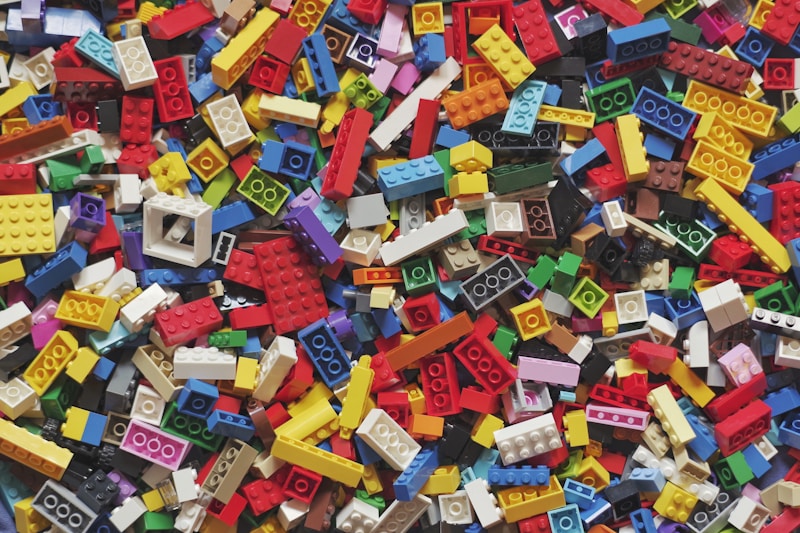
- Block building (engineering)
- Sand and water (physics)
- Sorting objects (math)
- Nature exploration (science)
- Puzzles (problem-solving)
What Quality STEM Looks Like
In practice.
Science Activities
Quality programs include: | Area | Examples | |------|----------| | Life science | Plants, animals, bodies | | Physical science | Magnets, water, ramps | | Earth science | Weather, seasons, nature |
Math Integration
Early math looks like:
- Counting throughout day
- Shape recognition
- Pattern making
- Sorting and comparing
- Measuring and estimating
Engineering and Problem-Solving
Building challenges:
- Block structures
- Ramp experiments
- Bridge building
- Simple machines
- Design challenges
Technology in Daycare
Finding the right balance.
Appropriate Technology Use
Quality programs: | Do | Don't | |----|-------| | Use technology as a tool | Replace hands-on play | | Interactive and educational | Passive screen time | | Limited, purposeful use | Extended viewing | | Joint engagement | Solo screens |
What to Look For
Positive tech use:
- Coding toys and robots
- Interactive science tools
- Photography for documentation
- Music and sound exploration
- Research and exploration tools
Evaluating STEM Programs
What to look for.
Questions to Ask
- "How do you integrate STEM into your curriculum?"
- "What science activities do children do?"
- "How do you teach math concepts?"
- "What engineering/building opportunities exist?"
- "What's your approach to technology?"
Quality Indicators
Signs of strong STEM:
- Designated science/exploration area
- Building materials available
- Nature exploration opportunities
- Math integrated throughout day
- Inquiry-based approach
Supporting STEM at Home
Extending learning.
Simple Activities
Try at home:
- Kitchen science experiments
- Building with various materials
- Nature walks and collection
- Counting in daily life
- Simple coding toys
Encouraging Curiosity
Foster STEM mindset by:
- Asking "What do you think will happen?"
- Letting them experiment
- Embracing "mess"
- Answering their questions
- Modeling curiosity
Resources
Last updated: December 2025