Daycare for High-Energy Children 2026: Active Kids Thrive
Complete guide to daycare for high-energy children in 2026. Finding programs that embrace active kids, movement needs, and channeling energy positively.
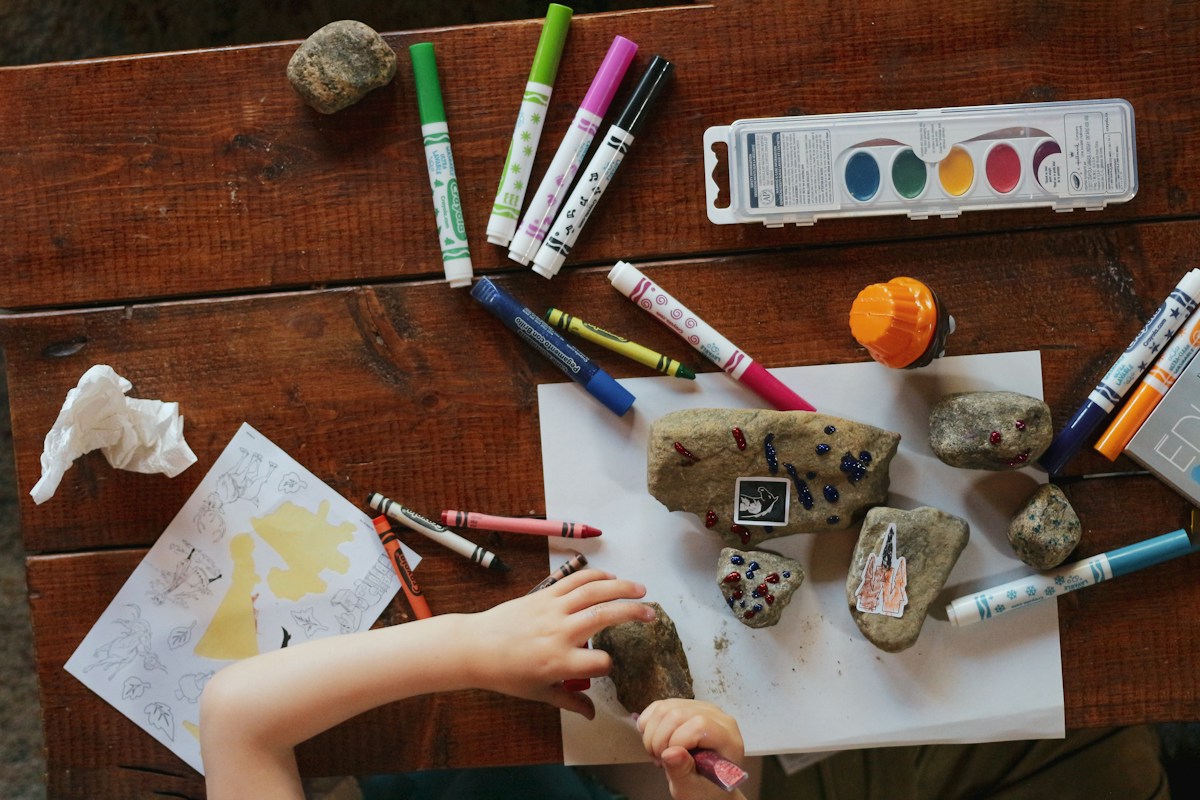
High-energy children need programs that embrace movement rather than suppress it. The right daycare channels energy positively, providing ample physical activity and understanding active temperaments.
Table of Contents
- Understanding High-Energy Children
- Finding the Right Fit
- What Quality Programs Do
- Working with Caregivers
Understanding High-Energy Children
What High-Energy Looks Like
| Characteristic | Expression | |----------------|------------| | Constant movement | Difficulty sitting still | | Physical play preference | Loves running, climbing | | Quick transitions | Rapid interest changes | | Intensity | Everything at full speed | | Curiosity | Into everything |
What They Need
| Need | Why It Matters | |------|----------------| | Movement opportunities | Physical release | | Outdoor time | Space to run | | Understanding | Not "bad" behavior | | Channeled energy | Positive outlets | | Patient caregivers | See the good |
Finding the Right Fit
What to Look For
| Element | Why It Helps | |---------|--------------| | Ample outdoor time | Daily, extended | | Large motor activities | Climbing, running | | Movement in curriculum | Not just sitting | | Flexible structure | Not rigid sitting | | Positive discipline | Not punitive |
Program Types to Consider
| Type | Benefits | |------|----------| | Outdoor/nature programs | Maximum movement | | Play-based | Active learning | | Less academic focus | Not desk-centered | | High staff ratios | More supervision |
Red Flags
| Concern | Why It's Problematic | |---------|---------------------| | Long sitting periods | Unrealistic expectation | | Limited outdoor time | Not meeting needs | | Punishment for movement | Shaming natural behavior | | Rigid schedule | No flexibility |
What Quality Programs Do
Channeling Energy
| Strategy | How It Works | |----------|--------------| | Movement breaks | Regular gross motor | | Active transitions | Song and movement | | Physical jobs | Helper roles | | Sensory activities | Calming input | | Choice | Child-directed activity |
Environment Design
| Element | Purpose | |---------|---------| | Open space | Room to move | | Climbing structures | Gross motor outlet | | Sensory materials | Regulation support | | Outdoor access | Extended outdoor time |
Working with Caregivers
What to Communicate
| Information | Why It Helps | |-------------|--------------| | What calms them | Regulation strategies | | Activity preferences | Channel interests | | Warning signs | When overwhelmed | | What works at home | Consistency | | Strengths | Focus on positive |
Questions to Ask
- How do you handle high-energy children?
- How much outdoor time do you have?
- What movement opportunities exist?
- How do you handle children who struggle to sit?
- What is your discipline approach?
Supporting at Home
Consistency Helps
| Strategy | How It Helps | |----------|--------------| | Physical activity before | Burn energy | | Consistent routines | Predictability | | Positive reinforcement | Build on strengths | | Outdoor time | Natural regulation | | Adequate sleep | Energy regulation |
When to Seek Help
Beyond Typical Energy
| Concern | Consider Evaluation | |---------|---------------------| | Cannot focus at all | Attention concerns | | Impulsivity dangerous | Safety issues | | Significant struggles | Despite good fit | | Teacher concerns | Professional input |
Resources
Last updated: December 2025