Art and Creativity in Daycare Guide 2026: Nurturing Young Artists
Complete guide to art education in daycare in 2026. Process vs product art, creative development, evaluating art programs, and fostering creativity in young children.
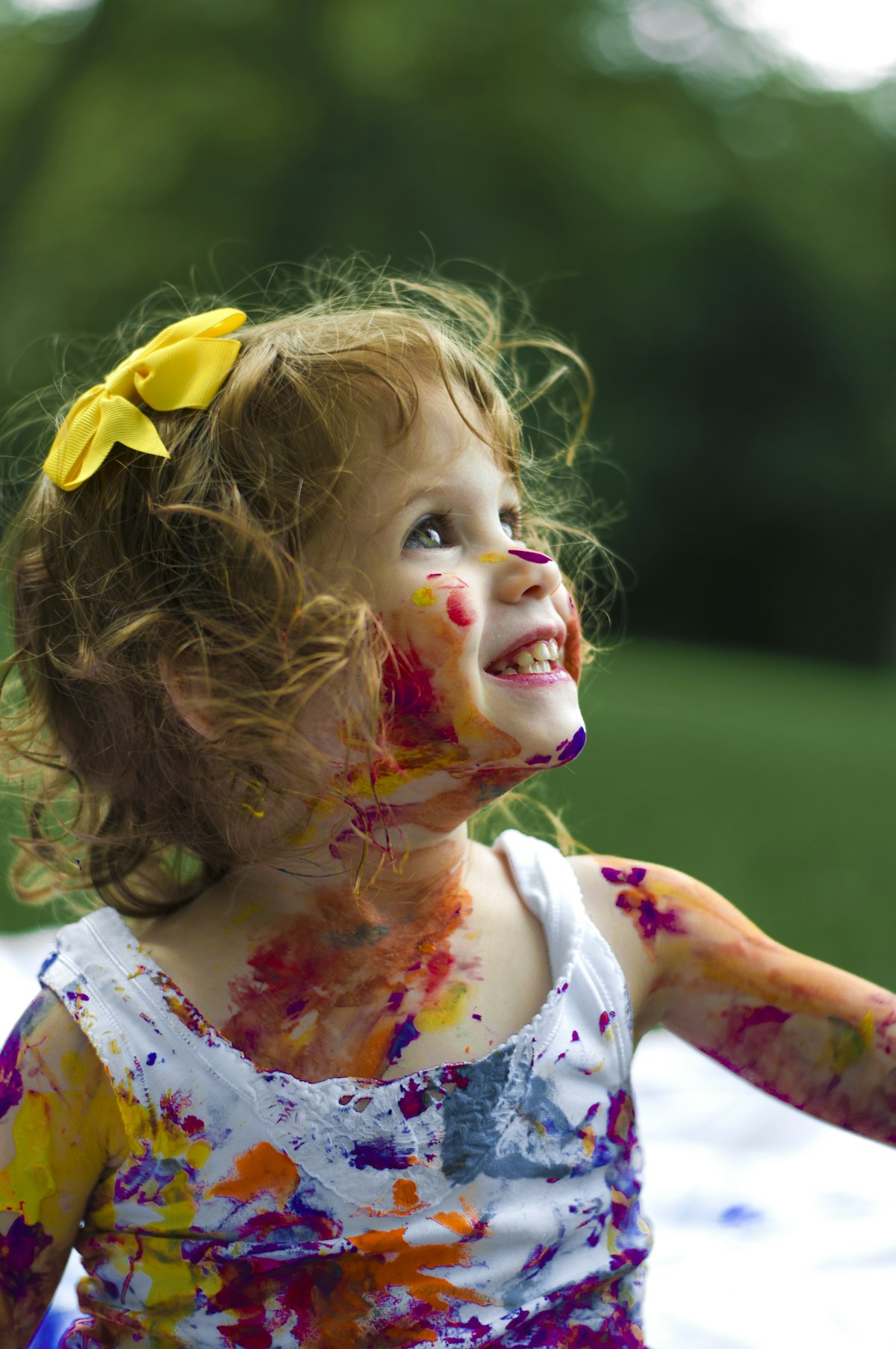
Art is far more than cute crafts to hang on the refrigerator—it's a fundamental avenue for young children to express themselves, develop fine motor skills, problem-solve, and build confidence. Quality early childhood programs understand that the creative process matters more than the final product, and they provide environments where children can explore, experiment, and create freely.
This guide covers everything about art and creativity in daycare in 2026: understanding process vs product art, evaluating creative programming, what to look for in quality art education, and supporting creativity at home.
Table of Contents
- Understanding Early Childhood Art
- Process vs Product Art
- What Quality Art Programs Offer
- Evaluating Creativity in Daycare
- Supporting Creativity at Home
Essential Daycare Supplies for Creative Kids
As an Amazon Associate, we earn from qualifying purchases.
Support your child's creative journey with these daycare essentials:
- Waterproof Daycare Labels - Label art smocks, supply containers, and clothing that might get messy
- Daycare Diaper Bag Backpack - Roomy bag with space for extra clothes after messy art days
- Muslin Swaddle Blankets - Versatile blankets for nap time after creative play
- Portable Diaper Caddy - Organize supplies and keep extra clothes ready
Understanding Early Childhood Art
Why art matters for young children.

Developmental Benefits
Art develops: | Area | Benefit | |------|---------| | Fine motor | Hand strength, control | | Cognitive | Problem-solving, planning | | Emotional | Self-expression, processing | | Social | Collaboration, sharing | | Language | Describing, storytelling |
Age-Appropriate Art
By age:
- Infants: Sensory exploration
- Toddlers: Scribbling, painting, playdough
- Preschool: Representational art emerging
- Pre-K: More detailed work, projects
Creativity vs Conformity
Quality programs encourage:
- Individual expression
- Open-ended materials
- No "right way" to create
- Process over product
- Child-directed choices
Process vs Product Art
A critical distinction.
Process Art
Characteristics:
- Child controls the experience
- No model to copy
- Focus on exploration
- Every piece looks different
- Emphasis on doing, not outcome
Product Art
Characteristics:
- Teacher-directed
- Model to follow
- Uniform results
- Focus on final piece
- "Cookie cutter" crafts
Why Process Matters
Benefits: | Process Art | Product Art | |-------------|-------------| | Builds creativity | Teaches following directions | | Develops confidence | Can frustrate when "wrong" | | Individual expression | Uniform outcome | | Intrinsic motivation | External validation focus |
What Quality Art Programs Offer
Essential elements.
Materials and Environment
Look for:
- Variety of art materials
- Open-ended supplies
- Accessible to children
- Art displayed respectfully
- Space for messy work
Daily Art Opportunities
Quality includes: | Component | Example | |-----------|---------| | Free choice art | Always available | | Guided exploration | New technique introduction | | Open-ended projects | Child-directed work | | Sensory experiences | Playdough, finger paint |
Teacher Role
Good teachers:
- Facilitate, don't direct
- Ask open-ended questions
- Avoid "What is it?"
- Describe what they see
- Value process over product
Evaluating Creativity in Daycare
What to look for.
Tour Observations
Notice:
- Art on display—does it all look the same?
- Art materials available to children
- Evidence of process art
- Creative areas in classroom
- Children's ownership of work
Questions to Ask
- "How do you approach art education?"
- "Can children access art materials freely?"
- "What does a typical art activity look like?"
- "How do you balance process and product art?"
- "How do you display children's work?"
Red Flags
Be cautious if:
- All art looks identical
- Only product/craft projects
- Art used as reward/punishment
- Children told their art is "wrong"
- No art materials visible
Supporting Creativity at Home
Extending learning.
Home Art Environment
Create:
- Accessible art supplies
- Dedicated space for creating
- Displayed child art
- Variety of materials
- Permission to be messy
Encouraging Creativity
Tips:
- Let them lead
- Don't ask "What is it?"
- Describe what you see
- Value the process
- Display their work
- Try new materials
Resources
Last updated: December 2025